
Introduction
In the fast-paced hospitality industry, establishing a robust content system is not merely an option – it’s an absolute necessity. Corporate teams grapple with the challenge of effectively engaging potential guests while navigating a fiercely competitive landscape. This article presents a step-by-step guide to building a hospitality content system that not only enhances brand visibility but also drives guest loyalty and satisfaction.
But how can teams ensure their content truly resonates with diverse audiences and achieves measurable results? This question is pivotal as it sets the stage for exploring effective strategies that can transform content into a powerful tool for engagement.
Define Your Hospitality Content System Objectives
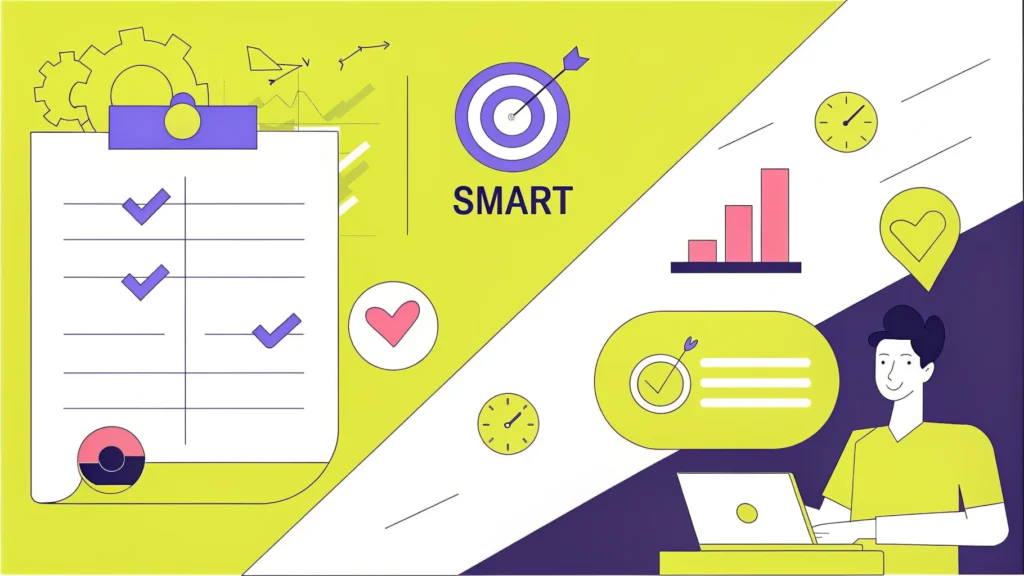
To effectively build your hospitality information system, start by defining your objectives. What do you want to achieve? Are you looking to boost brand recognition, drive direct reservations, or enhance guest interaction? By employing the SMART criteria, you can establish clear goals that guide your efforts:
- Specific: Clearly articulate your objectives. For instance, aim to ‘increase website traffic by 30% within six months.’ This specificity sharpens your focus.
- Measurable: Ensure your goals are trackable. Utilize analytics tools to monitor progress and assess the impact of your strategies.
- Achievable: Set realistic goals that consider your available resources and current market conditions. Aiming for a 10% increase in direct bookings is a tangible target for many hospitality brands.
- Relevant: Align your goals with your broader business strategy. This ensures that your efforts contribute to overall organizational objectives, such as enhancing guest satisfaction or increasing revenue.
- Time-bound: Establish a clear timeline for achieving your goals. For example, aim to reach your target by the end of Q2, allowing for regular evaluations of progress.
By setting clear and structured objectives, you create a roadmap that effectively guides your content creation and distribution efforts. This structured approach ultimately leads to greater success in your hospitality marketing initiatives.
Identify Target Audiences and Their Needs
Next, identify your target groups and their needs. Start by conducting market research to gather data on potential guests. Consider the following steps:
-
Segment Your Audience: Divide your audience into distinct groups based on demographics, interests, and behaviors. For example, families, business travelers, or couples.
-
Create Buyer Personas: Develop detailed profiles for each segment, including their preferences, pain points, and motivations. This helps in crafting content that speaks directly to them. Regularly updating these personas is crucial to reflect changing trends and visitor behaviors, ensuring their relevance over time.
-
Conduct Surveys and Feedback Sessions: Engage with past guests to understand their experiences and expectations. Use this feedback to refine your strategy for material. Notably, 56% of travelers prioritize custom experiences, highlighting the significance of personalization in hospitality marketing.
-
Analyze Competitor Strategies: Examine what similar hospitality brands are doing to engage their customers. Identify gaps in their material that you can fill.
For further guidance, consider referring to the free guide titled ‘Understanding Your Guests: A Guide to Creating Buyer Personas,’ which offers actionable templates for building effective personas.
By comprehending your target group through segmentation and buyer personas, you can develop engaging material that not only draws in potential guests but also nurtures loyalty and repeat visits. For instance, consider personas like Business Traveler Bob, who values fast Wi-Fi and quiet workspaces, and Family Traveler Fiona, who seeks child-friendly amenities and spacious accommodations. These examples can direct your material creation, ensuring it resonates with the needs of each group.
Create Engaging Content Tailored to Your Audience
To effectively engage your viewers, producing content that resonates with their preferences is crucial. Here are five steps to guide you:
-
Choose Format Types: Select content types that will captivate your audience. Effective formats include blog posts, videos, infographics, and social media updates. Notably, short-form videos are particularly impactful, driving real-world bookings and enhancing engagement.
-
Create a Schedule: Strategically plan your content to ensure a consistent flow. Incorporate key dates, events, and seasonal promotions that align with your audience’s interests. Research shows that 93% of marketers report positive ROI from video campaigns, highlighting the importance of a well-organized schedule.
-
Incorporate Storytelling: Utilize storytelling techniques to craft relatable and memorable content. Share guest experiences, behind-the-scenes insights, or highlight local attractions. Storytelling not only strengthens emotional connections but also activates more brain regions than simple facts, making your content more persuasive and memorable.
-
Utilize Visuals: Enhance your content with high-quality images and videos. Visual content is more likely to be shared, significantly boosting engagement. Hotels that implement a hospitality content system for corporate teams to showcase authentic images of their rooms and amenities experience a 15% higher booking rate, demonstrating the power of visuals in hospitality marketing.
-
Encourage User-Generated Content: Invite visitors to share their experiences and tag your brand on social media. This approach fosters community and provides genuine content that resonates with potential guests. Almost 1 in 3 consumers globally has booked a vacation after being inspired by influencer content, underscoring the impact of user-generated stories.
By focusing on these compelling strategies, you can cultivate a deeper connection with your viewers and enhance your brand’s visibility in the competitive hospitality landscape.
Implement and Distribute Content Across Platforms
Once your material is created, the next step is to implement and distribute it across various platforms. Here’s how:
-
Select Suitable Channels: Identify the platforms where your target group is most active. This may include social media channels like Instagram, Facebook, and TikTok, as well as email newsletters and your website.
-
Enhance Material for Every Platform: Adapt your material to suit the distinctive format and viewers of each platform. For instance, utilize short, engaging videos for TikTok, while detailed blog posts are more suitable for your website. Understanding that 34% of travelers were influenced by TikTok in 2022 highlights the platform’s growing importance in hospitality marketing. Fresh Content Society specializes in creating innovative short-form videos that capture attention and drive engagement.
-
Schedule Posts: Employ scheduling tools to plan your content distribution effectively. This guarantees regular posting and enables you to connect with your followers during peak engagement periods.
-
Engage with Your Audience: Actively monitor interactions on your posts and respond promptly. Interacting with your viewers nurtures a sense of community and promotes further engagement, which is vital for cultivating loyalty. FCS’s community management strategies ensure that your audience feels valued and connected.
-
Leverage Paid Promotions: Consider utilizing paid advertising to enhance the visibility of your material, particularly for key campaigns or promotions. This approach can significantly increase reach and engagement, especially in a competitive landscape where 70% of business travel is new business, indicating a growing market. FCS has achieved remarkable results, such as over 6 million video views and a 20X return on ad spend for clients like LINE-X, demonstrating the effectiveness of strategic paid media.
By effectively implementing and distributing your materials using a hospitality content system for corporate teams, you can maximize its reach and impact, ensuring that your hospitality brand stands out in a crowded digital space.
Measure Performance and Optimize Your Content Strategy
To effectively measure the performance of your content and refine your strategy, follow these essential steps:
-
Identify Key Performance Indicators (KPIs): What metrics align with your objectives? Establishing essential KPIs – like website traffic, engagement rates, conversion rates, and social media shares – serves as a foundation for evaluating success.
-
Utilize Analytics Tools: Are you leveraging the right tools? Employ platforms such as Google Analytics, social media insights, and email marketing analytics to monitor performance. These tools provide valuable information that can guide your approach and highlight areas needing focus.
-
Conduct Regular Data Analysis: How often do you review your data? Consistently examining your data uncovers trends and identifies opportunities for improvement. Analyzing material performance reveals what resonates best with your audience, directing future content creation.
-
Modify Your Approach Accordingly: Are you ready to adapt? Use your analysis to make informed changes to your strategy. This may involve experimenting with various media types, optimizing posting schedules, or exploring new distribution channels to enhance reach and engagement.
-
Request Ongoing Input: How well do you know your audience? Actively seek feedback from your viewers to gauge their preferences and enhance your material. Engaging with your audience not only cultivates loyalty but also provides insights that can refine your content strategy.
By systematically measuring performance and optimizing your content strategy, you ensure that your marketing efforts remain effective and aligned with your business goals. This approach ultimately drives better results in the competitive hospitality landscape.
Conclusion
Building a robust hospitality content system for corporate teams is not just beneficial; it’s essential for driving engagement and achieving business objectives. By strategically defining goals, understanding target audiences, and creating tailored content, hospitality brands can effectively connect with potential guests and enhance their overall experience. This structured approach streamlines content creation and lays the groundwork for successful marketing initiatives.
Key steps outlined throughout this article include:
- Setting SMART objectives
- Identifying target audiences through buyer personas
- Crafting engaging content
- Distributing it effectively across platforms
- Measuring performance for continuous improvement
Each component plays a vital role in ensuring that the content resonates with the intended audience and meets the overarching goals of the organization.
The significance of a well-defined hospitality content system cannot be overstated. It serves as a roadmap for corporate teams navigating the complexities of marketing in a competitive landscape. By embracing these strategies, hospitality brands can foster deeper connections with their audiences, enhance brand loyalty, and ultimately drive growth. Implementing these practices today will prepare teams for current challenges and position them for future success in the dynamic hospitality industry.
Frequently Asked Questions
What are the key objectives to define when building a hospitality information system?
Key objectives include boosting brand recognition, driving direct reservations, and enhancing guest interaction. Using the SMART criteria helps establish clear goals.
What does the SMART criteria stand for in setting objectives?
SMART stands for Specific, Measurable, Achievable, Relevant, and Time-bound. This framework helps in formulating clear and structured goals.
Can you provide an example of a specific objective using the SMART criteria?
An example of a specific objective is to “increase website traffic by 30% within six months.”
Why is it important to measure goals in a hospitality content system?
Measuring goals allows you to track progress and assess the impact of your strategies using analytics tools.
How should goals be aligned with broader business strategies?
Goals should be relevant and contribute to overall organizational objectives, such as enhancing guest satisfaction or increasing revenue.
What steps should be taken to identify target audiences in hospitality?
Steps include segmenting the audience, creating buyer personas, conducting surveys and feedback sessions, and analyzing competitor strategies.
What is the purpose of creating buyer personas?
Buyer personas help in crafting content that speaks directly to specific audience segments by detailing their preferences, pain points, and motivations.
How can feedback from past guests be utilized?
Feedback can refine your strategy for material, ensuring it meets guest expectations and highlights the importance of personalized experiences.
Why is it important to analyze competitor strategies?
Analyzing competitors helps identify gaps in their material that you can fill, allowing you to differentiate your offerings and engage customers effectively.
Can you provide examples of buyer personas in hospitality?
Examples include Business Traveler Bob, who values fast Wi-Fi and quiet workspaces, and Family Traveler Fiona, who seeks child-friendly amenities and spacious accommodations. These personas guide material creation to resonate with each group’s needs.