
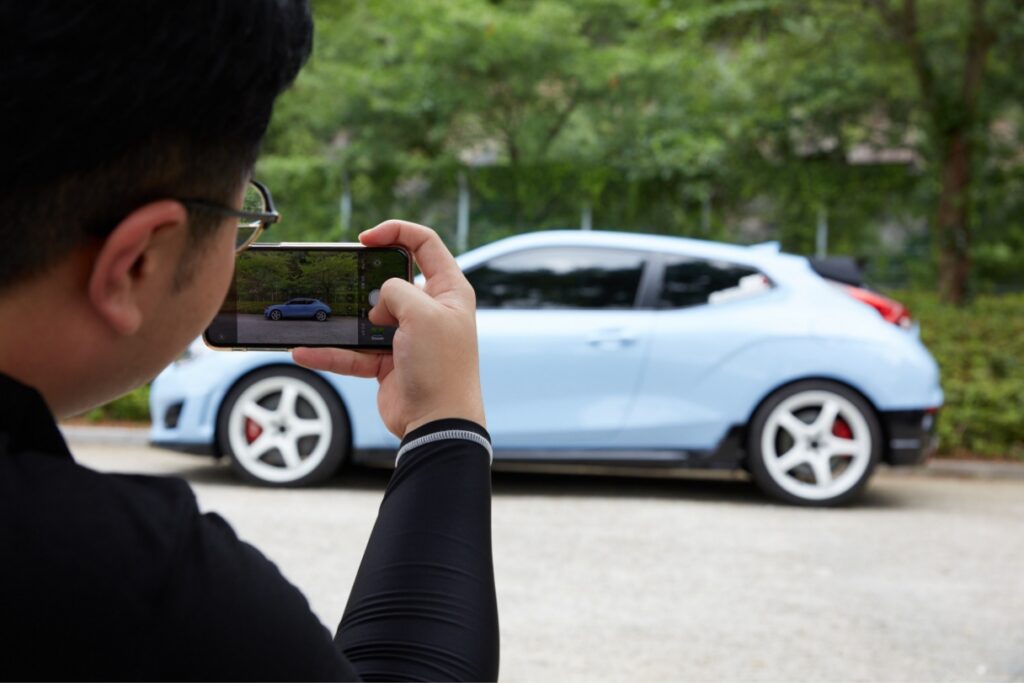
Automotive brands don’t succeed on social media by following generic marketing playbooks. They win by understanding enthusiast culture, performance credibility, and community trust. In 2026, the strongest automotive social media strategies are built on authentic storytelling, creator partnerships, and repeatable content systems, not overly polished ads.
This guide breaks down how social media marketing actually works for automotive brands, which platforms matter most, what content performs, and how leading brands turn social media into real business impact.
Last updated: January 2026
Why Social Media Works for Automotive Brands
Automotive is one of the most passion-driven categories in the world. Buyers don’t just purchase products, they buy into identity, performance, and community.
Social media allows automotive brands to:
- Show performance instead of claiming it
- Build trust before purchase decisions
- Reach enthusiasts, professionals, and decision-makers
- Turn product truth into earned media
- Create long-term brand affinity
When done correctly, social media becomes a credibility engine, not just a marketing channel.
The Biggest Mistake Automotive Brands Make on Social Media
Most automotive brands struggle on social because they:
- Over-polish content
- Rely too heavily on ads
- Speak like marketers instead of enthusiasts
- Chase trends without strategy
Automotive audiences value:
- Real use cases
- Real people
- Real results
- Honest performance
If content feels manufactured, the audience disengages immediately.
Platforms That Matter Most for Automotive Brands
TikTok & Instagram (Discovery + Engagement)
Short-form video dominates automotive social media:
- Product durability tests
- Install and demo content
- Before-and-after transformations
- Creator-led storytelling
This is where earned reach and virality happen.
YouTube (Depth + Education)
YouTube supports:
- Product education
- Long-form reviews
- Event and motorsports coverage
- Evergreen search discovery
LinkedIn (B2B & Manufacturing)
LinkedIn plays a role for:
- Automotive suppliers
- Manufacturing and B2B brands
- Executive thought leadership
What Content Performs Best for Automotive Brands
High-performing automotive social media content typically falls into five categories:
- Demonstration – showing how products perform
- Education – explaining why something works
- Culture – humor, lifestyle, and enthusiast identity
- Creators – trusted voices within car culture
- Community – comments, conversations, and shared passion
The strongest brands build repeatable formats, not one-off posts.
Case Study: LINE-X
Turning Product Durability Into Earned Media
Challenge
How do you showcase extreme durability in a way that feels authentic, entertaining, and highly shareable?
Approach
- Short-form video focused on real-world stress tests
- Content designed for discovery on TikTok and Instagram
- Formats built to scale and evolve over time
Results
- 76M+ organic video views
- $3M+ in earned media value
- Multiple viral moments driven by product truth
This campaign proved that automotive-adjacent brands can dominate social by letting the product speak for itself.
🔗 Case Study
https://freshcontentsociety.com/case-study/line-x/
The Role of Creators & Influencers in Automotive Marketing
Influencer marketing works differently in automotive.
Success comes from:
- Enthusiasts with credibility
- Creators who actually use the product
- Long-term partnerships, not one-off posts
Automotive audiences trust experience, not endorsements.
How Automotive Brands Measure Social Media Success
Follower count is not the KPI.
Automotive brands should measure:
- Engagement quality (comments, saves, shares)
- Community sentiment
- Earned media value
- Content reuse across paid, retail, and sales channels
- Long-term brand lift
When social media is treated as a system, ROI becomes clear.
Does Social Media Drive Real Results for Automotive Brands?
Yes — when executed strategically.
Social media supports:
- Brand launches and product releases
- Retail and distributor education
- Event and motorsports activations
- Recruiting and employer branding
- Long-term brand differentiation
For many automotive brands, social media now outperforms traditional advertising in both reach and trust.
Frequently Asked Questions
Does social media marketing work for automotive brands?
Yes. Automotive audiences engage deeply with authentic, performance-driven, and creator-led content.
Which platforms are most important for automotive brands?
TikTok, Instagram, YouTube, and LinkedIn depending on audience and goals.
How long does it take to see results?
Most brands see early traction within 60–90 days, with compounding growth over time.
Final Thoughts
Automotive social media success isn’t about chasing trends — it’s about respecting the culture, showcasing real performance, and building community.
The brands winning in 2026 are those that:
- Let the product speak
- Empower creators
- Build repeatable content systems
- Engage authentically with their audience
When social media reflects real automotive passion, it becomes one of the most powerful marketing tools available.